
By Reporter Chloe Yeo Chang Yuan | 楊常願
我们总说“父爱如山”,但那座山,太安静。
不言爱,不多语,
却一直都在你身边。
可当沉默成了一种习惯,
你,还听得见吗?

He doesn’t say “I love you” aloud, yet every morning he rises early to prepare his son’s favourite breakfast.
他嘴上不说“我爱你”,但每天早上都会早起,默默为儿子做上一顿他最爱吃的早餐。
Photographed by Reporter Chloe Yeo Chang Yuan
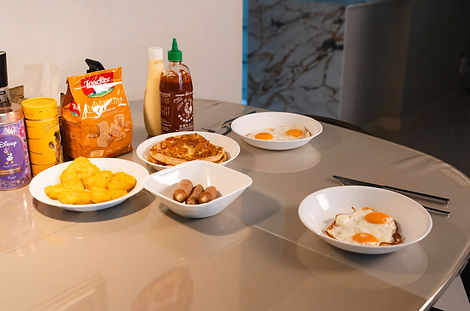
Each bite carried more than flavour. It carried his love and effort he poured in for him.
每一口吃下去的,不只是味道,更是他倾注的爱与用心。
Photographed by Reporter Chloe Yeo Chang Yuan
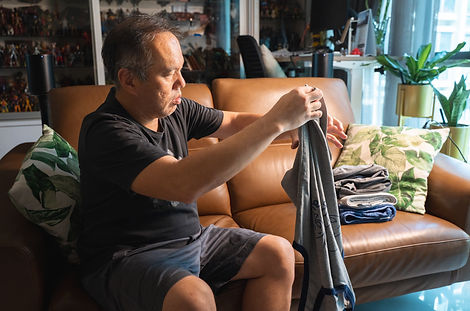
He knew his son’s needs, even before he realised. Somehow, he always makes it happen.
他总在儿子还没察觉之前,就已经知道他需要什么;不知怎么的,他总能悄悄为他办到。
Photographed by Reporter Chloe Yeo Chang Yuan
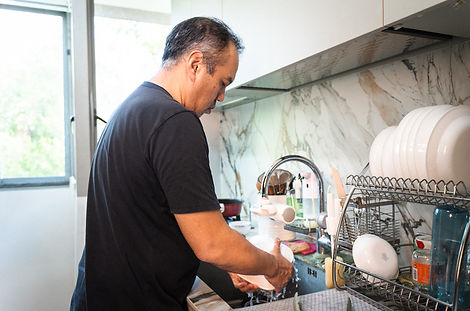
From folding laundry to scrubbing dishes, he carried out every task silently, without complaint, never seeking praise.
从折衣服到刷洗碗盘,他总默默承担每一件事,不吭声,不抱怨,也从未渴望一句称赞。
Photographed by Reporter Chloe Yeo Chang Yuan

As time passed, his son spent life alone, hiding in his room, living a separate life, creating a distance that words could not bridge.
随着时间的流逝,儿子越来越常一个人自个儿躲在房间里,过着自己的生活……渐渐被沉默拉开,连言语都难以弥补
Photographed by Reporter Chloe Yeo Chang Yuan

Still, he watches over him from a distance. He assures himself that his son will be okay.
即便如此,他仍默默地在一旁守望着,安慰自己:儿子会没事的。
Photographed by Reporter Chloe Yeo Chang Yuan
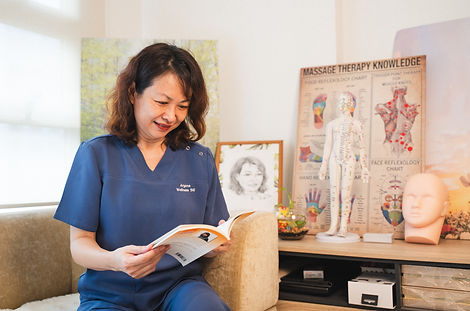
Psychologist Wu Yimei says that “In Asian families, fathers often carry authority. Too much affection feels like weakness”.
心理咨询师吴奕葿指出:“在亚洲家庭里,父亲往往象征着权威,过多的情感流露,反而被看作是一种脆弱 ”。
Photographed by Reporter Chloe Yeo Chang Yuan

His son slowly understood. His father’s love has never been loud, yet it’s always been clearer than words could ever be.
他渐渐明白,父亲从不张扬对他的爱,但是这份爱却比任何言语都来得真切动人。
Photographed by Reporter Chloe Yeo Chang Yuan
Now, it’s his to give back. Move along with his father, be within his proximity, and be the one to assure him that he’s there. This is what it means when we say, “无声胜有声”, when silence speaks louder than words.
如今,轮到儿子回馈这份爱了。陪着父亲一起走,靠近他一些, 用自己的陪伴告诉他:我一直都在。这,正是“无声胜有声”的意义,沉默的爱,其实胜过千言万语。
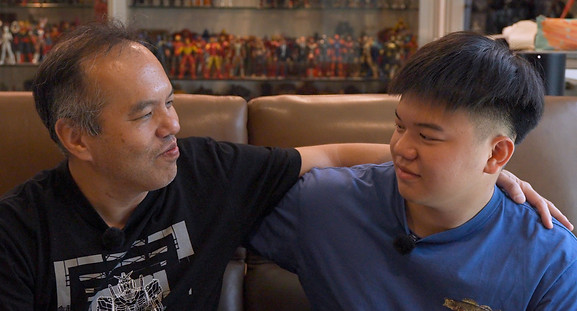
Photographed by Reporter Chloe Yeo Chang Yuan
Watch the Video!
一起看看这对父子的故事
根据《家庭研究期刊》(Journal of Family Studies),近一半的父亲表示希望能花更多时间陪伴孩子,是母亲的两倍。因为父亲多数时间在外工作、赚钱养家,陪伴孩子的时间较少,所以他们常感到内疚,也更希望能多花时间弥补对孩子的缺席。而牛津大学在《社会政治》(Social Politics)的一项研究也指出,随着女性在家务上的投入减少,男性在家务中的参与也有所上升。《Times of India》指出,许多男性更倾向透过具体行动传递爱,例如做饭、做家务、默默分担琐事,而不是直接说“我爱你”。
父亲们,其实也渐渐地,在家中变得更“出席”。
一起看看,这份转变如何体现在一对真实的父子关系中。
Video by Reporter Chloe Yeo Chang Yuan
根据美国国家医学图书馆的说法,华人父亲传统上被期待承担领导与教养的角色,而母亲则多负责照顾家庭,地位较为从属。Family Central 也指出,许多父亲更习惯用行动来表达爱,而不是用语言,他们往往透过做事来传达在乎与支持。
我们来听听心理咨询师吴奕媚,对这对父子关系的专业看法。
Video by Reporter Chloe Yeo Chang Yuan
在家庭中,或是在职场里,还是在社会期许下,男性该如何表达爱和展现情绪来承担他们的角色呢?